Cheese Pizza Pairings: What to Serve on the Side
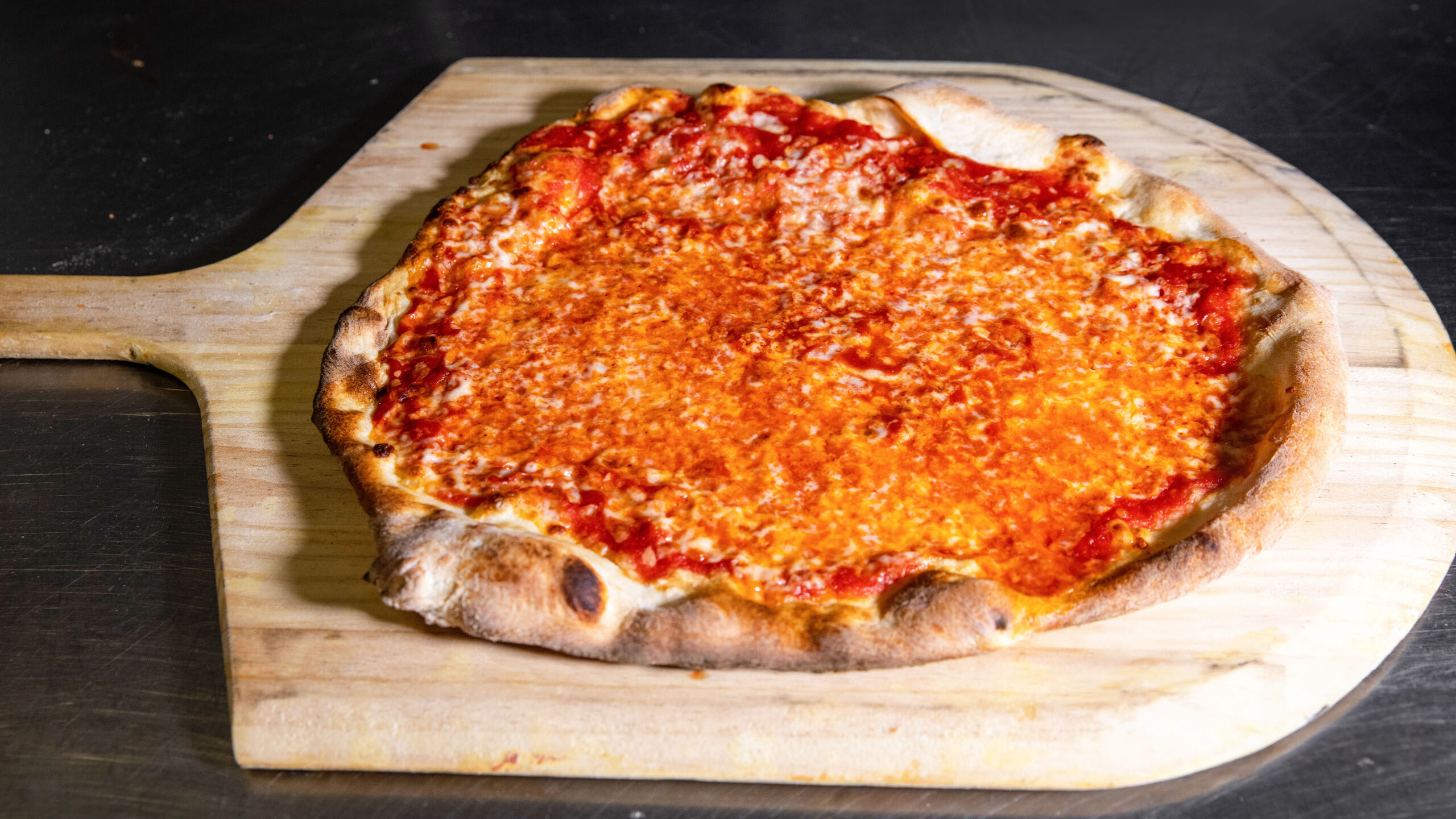
Cheese pizza looks simple, but that simplicity is exactly what makes it tricky to pair well. When the pie is built on dough, tomato sauce, and melted cheese alone, every side dish has a louder voice. A heavily dressed pizza can absorb a bold salad, sticky wings, or rich pasta without losing its identity. Cheese pizza cannot. Its flavor is clean, familiar, and balanced, so the wrong side can flatten it, overwhelm it, or make the whole meal feel heavier than it should.
That is why pairing matters more here than many people expect. A good side should sharpen the pizza’s strengths, not compete with them. It should bring contrast, whether that means crunch against soft crust, bitterness against dairy richness, or acidity against sweet tomato. In restaurants, the most successful pairings tend to follow that pattern. At home, the same rule applies, though with a little more flexibility depending on who is eating and what kind of occasion you are feeding.
The best way to think about cheese pizza is as a warm, rich, mild center of gravity. Your side dishes should orbit around it with purpose. Some meals call for freshness. Some need substance. Others need something snacky, bright, or comforting. Once you understand what the pizza is already doing on the plate, the right companion becomes much easier to choose.
What cheese pizza brings to the table
A classic cheese pizza usually gives you four dominant traits. It is rich from the cheese, acidic from the sauce, starchy from the crust, and salty throughout. Depending on the style, it may also have a smoky note from a deck oven, a little sweetness in the tomato, or a tangy edge if provolone or aged mozzarella is in the blend.
That flavor profile explains why crisp, fresh sides usually perform better than dense, creamy ones. If you serve cheese pizza with something equally soft and rich, the meal can feel monotonous after two slices. The first bite is comforting, but by the third or fourth, your palate starts asking for relief. A sharp salad, roasted vegetable, or vinegar-driven slaw solves that problem immediately.
Texture matters just as much as flavor. Cheese pizza is soft in the center, elastic on top, and crisp only at the edges, unless you are serving a very thin style. The best side dishes often introduce either crunch or snap. That can come from romaine, cucumbers, fennel, toasted breadcrumbs, or even well-roasted broccoli with browned edges. Contrast makes a familiar meal feel more complete.
Portion balance matters too. A large slice of cheese pizza already carries enough carbohydrates and dairy to serve as the anchor of the meal. If the side is also bread-based, such as garlic knots or mozzarella sticks, you are not really creating a pairing. You are multiplying the same experience. That can be fun for game night, but it is rarely the most satisfying choice if you want a meal with range.
The strongest partner is usually a salad
If I had to choose one side for cheese pizza more often than any other, it would be salad. Not because it is predictable, but because it works under the widest range of conditions. A good salad resets your mouth between bites and keeps the pizza tasting lively.
The most dependable version is a crisp green salad with assertive dressing. Romaine, little gem, arugula, or mixed bitter greens all do well. What matters is the dressing. Creamy dressings can work, but they rarely bring enough contrast with cheese pizza unless they are sharply seasoned. A vinaigrette with lemon, red wine vinegar, sherry vinegar, or a touch of Dijon performs better. It cuts through the mozzarella and brightens the tomato sauce.
Caesar salad can be excellent with cheese pizza Cheese Pizza if the dressing leans savory and lemony rather than heavy. The anchovy, garlic, and Parmesan add depth without stepping too far away from the pizza’s flavor family. That said, Caesar can tip into excess if the pizza is already thick, oily, or extra-cheesy. On those nights, a cleaner salad with herbs and vinaigrette is the smarter call.
Arugula salad deserves special mention. Peppery greens, shaved Parmesan, olive oil, and lemon are enough. That simple combination gives you bitterness, acidity, and a little bite, which is exactly what a mellow slice needs. It also looks elegant without being fussy, making it a strong choice for casual dinners with guests.
A chopped Italian-style salad, with lettuce, pepperoncini, olives, red onion, and a sharp dressing, works especially well with New York-style cheese pizza. The briny vegetables echo the pizzeria experience without crowding the plate. If you include salami or provolone in the salad, keep the portions restrained. Otherwise, the side starts behaving like a topping that wandered off the pizza.
Roasted vegetables make the meal feel complete
Not everyone wants a salad, especially in cold weather. In that case, roasted vegetables are often the best answer. The key is choosing vegetables that gain flavor through caramelization but still retain some structure. They should feel like a contrast, not a side of mush.
Broccoli is one of the most reliable options. Roasted hot enough to char at the edges, then finished with lemon and perhaps a pinch of chili flakes, it brings bitterness and depth to a cheese pizza meal. Brussels sprouts work in a similar way, though they are more forceful and can dominate a delicate thin-crust pie if overdone. Cauliflower also pairs well, especially with garlic and olive oil, but it benefits from something bright at the end, such as capers or a squeeze of lemon.
Zucchini is a bit more delicate. It works best when the pizza is crisp and thin rather than deep and heavy. Mushrooms, while delicious, can make the whole meal feel earthy and soft unless they are roasted hard or sautéed until deeply browned. Green beans are a sleeper hit. When blistered and dressed with vinaigrette, they bring enough snap and freshness to hold their own beside a hot slice.
The practical advantage of roasted vegetables is timing. You can cook them while the pizza bakes or while a delivery pie is on the way. They require very little last-minute assembly, which matters when you are feeding more than two people. Salad often needs tossing right before serving. Roasted vegetables are more forgiving.
Soup can work, but only if it stays light
Soup with pizza is not the first pairing most people imagine, but it has its place. The problem is that people often choose the wrong soup. Thick tomato soup with cheese pizza sounds harmonious, but it usually doubles up the same flavors in a way that becomes tiring. Creamy soups are even riskier because they stack richness on richness.
Lighter vegetable soups do much better. An Italian white bean and escarole soup, if served in a small cup rather than a big bowl, can be excellent with a modest portion of pizza. Minestrone also works, especially when it is broth-forward and not overloaded with pasta. A simple vegetable soup with fennel, carrots, celery, and herbs can round out a meal on a cold evening without stealing attention from the pizza.
This is also where portion judgment matters. Pizza with soup should feel companionable, not like two full entrees forced onto one table. A small bowl on the side is enough. If the soup is too substantial, most people will either leave it half-finished or lose interest in the pizza, which defeats the point.
The pizzeria classics, and when to skip them
There is nothing wrong with leaning into the classics. Garlic knots, mozzarella sticks, fried zucchini, and breaded mushrooms all belong to the larger pizza tradition. They are fun, familiar, and often popular with groups. The question is not whether they taste good. The question is whether they are the right choice with cheese pizza specifically.
Most fried sides create a meal that is indulgent but one-dimensional. You get more starch, more fat, more cheese, and very little contrast. For teenagers, game days, or late-night gatherings, that may be exactly the mood you want. For a family dinner or a meal where the pizza itself is especially good, these sides can feel like static.
If you do go in that direction, it helps to counterbalance somewhere else. A bowl of marinated olives or pepperoncini on the table can wake up the palate. A side of warm marinara with extra chili also helps by adding acidity and heat. Even a plate of raw celery and carrots, though not glamorous, can rescue the meal from feeling too heavy.
The real lesson is not to avoid these sides entirely. It is to know what kind of meal you are building. Cheese pizza with fried appetizers is a party spread. Cheese pizza with a sharp salad or roasted vegetables is dinner.
For family meals, think about age and appetite
Pairing changes when children are at the table. Adults usually appreciate contrast. Children often want familiarity. That does not mean every side has to be beige, but it does mean you should choose sides with approachable textures and mild flavors.
Cucumber slices, carrot sticks, apple slices, and simple green salads with dressing on the side usually do well. So do roasted broccoli florets when they are cooked until tender and finished lightly. If you are serving a crowd with mixed ages, it helps to put out one fresh side and one comfort side. That way, the meal feels generous without becoming a parade of extras.
Here are five side dishes that consistently work with cheese pizza in family settings:
- Crisp romaine salad with a red wine vinaigrette
- Roasted broccoli with lemon and olive oil
- Cucumber and tomato salad with basil
- Green beans dressed with garlic and vinegar
- Fresh fruit, especially grapes, melon, or sliced apples
Fresh fruit is often overlooked, but it can be surprisingly effective. A bowl of cold grapes or melon after hot pizza feels clean and refreshing. It is not a traditional side in the restaurant sense, but in real households it solves the common problem of a meal ending too heavily.
If you are serving guests, balance matters more than variety
When entertaining, people often make the mistake of offering too many side dishes with pizza. It sounds generous, but abundance can muddy the meal. If the table holds cheese pizza, wings, pasta salad, garlic bread, two dips, and a dessert tray, the pizza stops being the centerpiece. It becomes just one more tray among many.
A better approach is to pair with intention. Choose one side that brings freshness and, if needed, one side that adds seasonal depth. That is enough for most dinners. A beautiful platter of bitter greens with shaved fennel and Parmesan beside a couple of excellent cheese pizzas feels far more polished than a buffet of mismatched extras.
The same idea applies to drinks, though food should still lead the decision. Sparkling water with lemon, dry cider, pale lager, or a crisp Italian white can all support cheese pizza well because they refresh the palate. Heavy red wines tend to overpower a plain cheese pie unless the crust is charred and the sauce is especially robust. If you are serving beer, lighter and cleaner styles generally beat malty or sweet ones.
Regional pizza styles change the pairing
Not all cheese pizza eats the same, so not all sides should either. Thin New York slices, chewy Neapolitan pies, pan pizza, and tavern-style squares each create a different need on the plate.
A Neapolitan cheese pizza is soft, airy, and often served whole to one person. Because it is lighter and more delicate, it pairs best with equally restrained sides. Arugula salad, marinated vegetables, or a plate of fennel and citrus make sense here. Heavy fried sides can feel clumsy next to it.
A New York-style cheese pizza, with its sharper sauce and foldable slice, welcomes stronger companions. Chopped salad, roasted broccoli, or even a modest antipasto plate fit naturally. There is enough structure and acidity in the slice to stand up to bolder flavors.
Pan pizza or Detroit-style cheese pizza is richer and more filling. These styles practically demand fresh, acidic relief. Think crunchy slaw, bitter greens, pickled vegetables, or a bright bean salad. Pairing them with more bread or fried cheese is usually too much unless the event is unapologetically indulgent.
Tavern-style pizza, cut into squares, often behaves more like a party food than a plated entree. In that setting, crisp raw vegetables, dip, or a clean salad can keep the spread from turning greasy and monotonous. People tend to graze longer with tavern-style pizza, so palate fatigue becomes more important.
A few pairings that sound good but rarely deliver
Experience teaches you that some combinations look right on paper and disappoint at the table. Macaroni and cheese with cheese pizza is one of them. It appeals to the comfort-food instinct, but in practice it is too soft, too rich, and too similar. Alfredo pasta has the same problem, only heavier.
Another weak pairing is creamy coleslaw without enough acidity. Slaw should crunch and cut through richness. If it leans sweet and thick, it drags the meal down. Potato salad often struggles for similar reasons unless it is a very sharp, mustard-forward version served in a small amount.
Dessert-like sides can also clash. Sweet baked beans, Brooklyn Pizza Cheese Pizza for example, tend to fight the tomato sauce. Cornbread with cheese pizza may sound homey, but it usually leaves the meal feeling unbalanced and overly starchy. This is one of those cases where a side can be good on its own and still not be a good partner.
How to choose the right side fast
If you are staring at a cheese pizza and need a side without overthinking it, a quick framework helps. Ask what the pizza lacks in this moment. If it is rich and oily, add acid and crunch. If it is thin and light, add a vegetable with some substance. If the weather is cold, bring warmth without adding too much dairy or starch.
This simple checklist usually points you in the right direction:
- Add something crisp if the pizza is soft and cheesy
- Add something acidic if the pizza is rich or oily
- Keep the side lighter than the pizza in most cases
- Match intensity to pizza style, delicate with delicate, bold with bold
- Stop at one or two sides so the pizza still leads
That last point matters more than it seems. Cheese pizza has a quiet flavor compared with heavily topped pies. It does not need a supporting cast of six. It needs one or two smart companions that let it taste like its best self.
Seasonal ideas that make sense
Seasonality can sharpen your choices without making things complicated. In spring, shaved asparagus salad, peas with lemon, or tender greens fit naturally beside a lighter pie. Summer practically begs for tomato and cucumber salad, grilled zucchini, or melon on the side. In fall, roasted broccoli, Brussels sprouts, or a bitter chicory salad make more sense. Winter favors soups, escarole and beans, or roasted cauliflower with capers.
These shifts are not about being fashionable. They are practical. Seasonal produce tends to have better texture and stronger flavor, which means it can stand beside pizza without needing heavy dressings or elaborate cooking. A ripe summer tomato with olive oil and basil can do more for a cheese pizza dinner than a complicated side made from out-of-season ingredients.
The side dish should make the next bite better
That is the standard worth keeping in mind. A side for cheese pizza is not successful just because it tastes good on its own. It is successful if it makes you want another bite of pizza, and lets that bite taste fresher, sharper, or more satisfying than the last one.
Often that means salad. Often it means roasted vegetables. Sometimes it means soup, fruit, or a carefully chosen classic from the pizzeria playbook. What matters is contrast, balance, and restraint. Cheese pizza already brings comfort, richness, and familiarity. The side should bring what the pie does not.
Once you start thinking that way, pairing gets easier. You stop asking, “What can I add?” and start asking, “What does this pizza need?” That small shift usually leads to a better table, whether you are feeding two people on a weeknight or twelve friends on a Saturday evening.
Brooklyn Pizza
1647 Arapahoe Ave
Boulder, CO 80302
+1 720-328-2324
FAQ About Cheese Pizza
What type of cheese is used on a cheese pizza in Boulder, CO?
The cheese varies by pizzeria. Brooklyn Pizza uses whole-milk mozzarella made in-house on its standard pies and offers a plant-based cheese option for vegan pizza. Ask the shop directly about ingredients if you have a dietary restriction.
How many slices are in a large pizza in Boulder, CO?
Slice count depends on how the shop cuts the pie. Brooklyn Pizza lists a 16-inch large pizza. If you are ordering for a group, call to confirm the number of slices or ask whether a smaller cut is available.
What is New York style pizza in Boulder, CO?
New York-style pizza usually has a thin crust and wide slices that can be folded. A classic cheese slice pairs tomato sauce with mozzarella. Brooklyn Pizza serves New York-style pizza by the slice and as whole pies.